Solar Company in Karachi: 2026 Guide to Savings by the Sea
Hiring the right solar company in Karachi in 2026 can transform a brutal monthly electricity bill into a predictable, shrinking cost. Karachi blends fierce year-round sunshine with coastal humidity and salty air, a mix that creates both opportunity and a few engineering challenges. Get the design right and your rooftop becomes a decades-long asset; get it wrong and corrosion or poor sizing will eat your returns.
This guide is written for Karachi conditions specifically. It covers the coastal factors that matter, realistic 2026 costs, how K-Electric net metering works, and the exact traits that define a trustworthy installer in this city.
Why Karachi Is a Prime Solar Market in 2026
Karachi receives abundant sunlight across most of the year, with relatively mild winters that keep generation steady. Combine that with some of the country’s highest commercial and residential demand, and the savings potential is enormous. Offices, retail outlets, and homes all run heavy cooling loads that peak precisely when the sun is strongest.
A capable solar company in Karachi designs around the city’s single biggest environmental quirk: salt-laden coastal air. Near the sea, standard hardware corrodes faster, so marine-grade mounting structures, anodised frames, and sealed connectors are essential rather than optional.
The humidity and salt factor
Humid, salty air accelerates oxidation on cheap steel rails and poorly sealed junction boxes. First-hand experience along the coast shows that using galvanised or aluminium structures and IP-rated enclosures dramatically extends system life. This is where a serious installer earns their fee.
Understanding K-Electric Net Metering
Karachi’s grid is run by K-Electric, and net metering lets you export surplus daytime generation and offset your evening consumption. The policy framework sits under the national regulator, and you can confirm the current rules on the NEPRA website before you apply.
The practical steps are straightforward when your installer prepares complete paperwork:
- Install a grid-tied or hybrid system sized to your consumption.
- Submit the net-metering application with required documents to K-Electric.
- Pass inspection and receive a bidirectional meter.
- Start banking exported units against your monthly bill.
What Does a Solar Company in Karachi Charge in 2026?
Costs depend on size, component tier, and whether you add batteries for outage protection. Use the table below as a planning reference, then insist on an itemised quote after a site survey.
| System size | Typical user | Est. 2026 cost (PKR) | Backup? |
|---|---|---|---|
| 5 kW on-grid | Apartment / small home | 850,000 – 1,050,000 | No |
| 10 kW on-grid | Large home / office | 1,600,000 – 2,000,000 | No |
| 10 kW hybrid | Home needing backup | 2,200,000 – 2,800,000 | Yes |
| 25 kW on-grid | Retail / commercial | 3,700,000 – 4,600,000 | No |
Payback periods in Karachi commonly land in the three-to-four-year range for well-sized on-grid systems, after which the generation is effectively free for the remaining two decades of panel life.
What Makes a Solar Company in Karachi Worth Hiring?
The market is crowded, so use a clear filter. The best firms share a consistent set of habits that protect your investment.
- They perform a physical site survey and structural assessment.
- They specify corrosion-resistant, marine-grade mounting for coastal areas.
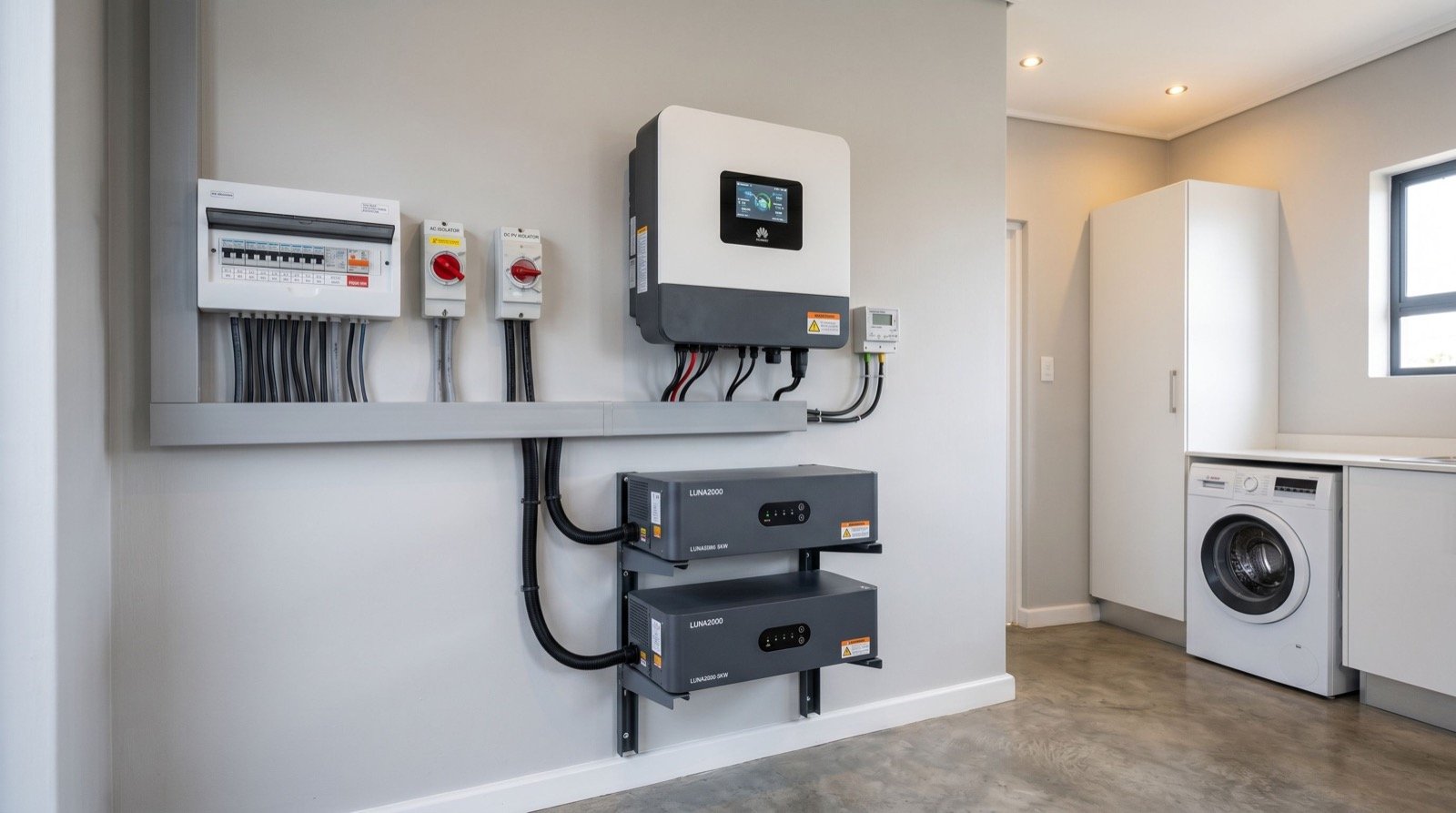
- They use Tier-1 panels and a reputable inverter with local service.
- They handle the full K-Electric net-metering application.
- They provide written warranties and inspectable reference sites.
Globally, solar keeps getting cheaper and more efficient, a trend tracked by the International Energy Agency, so there is no reason to accept outdated panels or vague warranties in 2026.
Questions to ask before signing
Ask how the installer protects hardware against coastal corrosion, how they size the inverter against the array, and what their typical net-metering turnaround with K-Electric is. Confident, specific answers signal real expertise.
Comparing Karachi With the National Picture
Karachi’s coastal conditions are unique, but the fundamentals apply nationwide. Whether you engage a solar company in Karachi or work with the Best Solar Company operating across other cities, the winning formula stays the same: right-sized arrays, quality components, and proper net-metering support. The only real variable is engineering for local climate, and on the coast that means corrosion resistance above all.
If you want to shortlist trusted professionals and compare their approach to coastal installs, start by gathering two or three itemised quotes and checking recent local references.
Protecting a Coastal System for the Long Run
Karachi’s sea air is relentless, so long-term performance depends on both good installation and sensible upkeep. Salt deposits can build on glass and frames, dulling output and slowly attacking any exposed metal. A simple freshwater rinse every few weeks clears the film and protects the hardware far better than most owners realise.
Beyond cleaning, the quality of the original components decides how gracefully a system ages near the coast. Marine-grade aluminium rails, anodised frames, and properly sealed, IP-rated junction boxes resist corrosion for decades, while cut-price steel can rust within a few seasons. This is one area where paying a little more upfront saves a great deal later.
Keep these coastal-specific habits in mind to protect your investment:
- Rinse panels with fresh water regularly to remove salt and dust.
- Inspect frames, clamps, and enclosures each year for early signs of corrosion.
- Monitor daily generation through the inverter app and investigate sudden drops.
- Keep vegetation and new construction from casting fresh shade on the array.
Done consistently, this light maintenance keeps a coastal system performing close to its rated output year after year.
Frequently Asked Questions
Does coastal air really affect a solar company in Karachi’s work?
Yes. Salt and humidity corrode low-grade metal and seals. A quality installer specifies marine-grade structures and sealed enclosures so the system survives decades near the sea.
How does net metering with K-Electric save money?
Your system exports surplus daytime units, which offset the units you draw in the evening. This lowers your net bill and shortens payback, especially as tariffs rise through 2026.
Do I need batteries in Karachi?
Only if you want backup during outages. For pure bill savings on a connected grid, an on-grid system is cheaper and still highly effective.
How long does installation take?
A typical home system is installed in one to three days. Net-metering approval adds a few weeks, depending on how quickly documentation clears with K-Electric.
Final Thoughts
Choosing a solar company in Karachi in 2026 is really about matching strong local sunshine with coastal-grade engineering and clean net-metering support. Pick an installer who respects the salt air, sizes the system around your real bills, and backs the work with warranties. Do that, and your rooftop will deliver savings by the sea for decades. Request your free site survey and tailored quote today.