PAR Drive Thru in Saudi Arabia: A 2026 Technology Guide
Deploying a PAR Drive Thru in Saudi Arabia has become a favored move for restaurant chains chasing faster lanes and richer operational data. In 2026, as Riyadh, Jeddah, and Dammam compete for demanding customers, the analytics and timing technology behind the drive-thru window is where the real advantage lives. This guide explains how PAR-class drive-thru systems work, what to expect during rollout, and how they connect to broader queuing strategy across the region.
If you operate quick-service locations and want to shorten lane times while sharpening your data, the practical breakdown below will help you invest with confidence rather than guesswork.
What Makes a PAR Drive Thru Different?
PAR-class drive-thru technology is defined by tight integration between order taking, timing, kitchen coordination, and analytics. Rather than bolting together separate gadgets, it treats the lane as one measured, orchestrated flow from the menu board to the pickup window.
That integration is what delivers accuracy and speed at the same time. Every stage is timed, every order is confirmed, and every shift generates data that managers can act on immediately. Choosing trusted professionals to design and install the system ensures the networking backbone and outdoor hardware are ready for years of heavy Gulf-climate use.
The Building Blocks of a Modern Drive-Thru Stack
Understanding the components helps you evaluate proposals critically. A capable PAR Drive Thru in Saudi Arabia deployment usually brings together the elements below.
- Precision timers: Sensors that measure each segment of the lane journey.
- Point-of-sale integration: Orders flow straight into the kitchen queue.
- Order-confirmation displays: Customers verify accuracy before paying.
- Kitchen display systems: Digital tickets replace error-prone paper.
- Cloud analytics: Central dashboards benchmark every location.
How Do Analytics Drive Lane Performance?
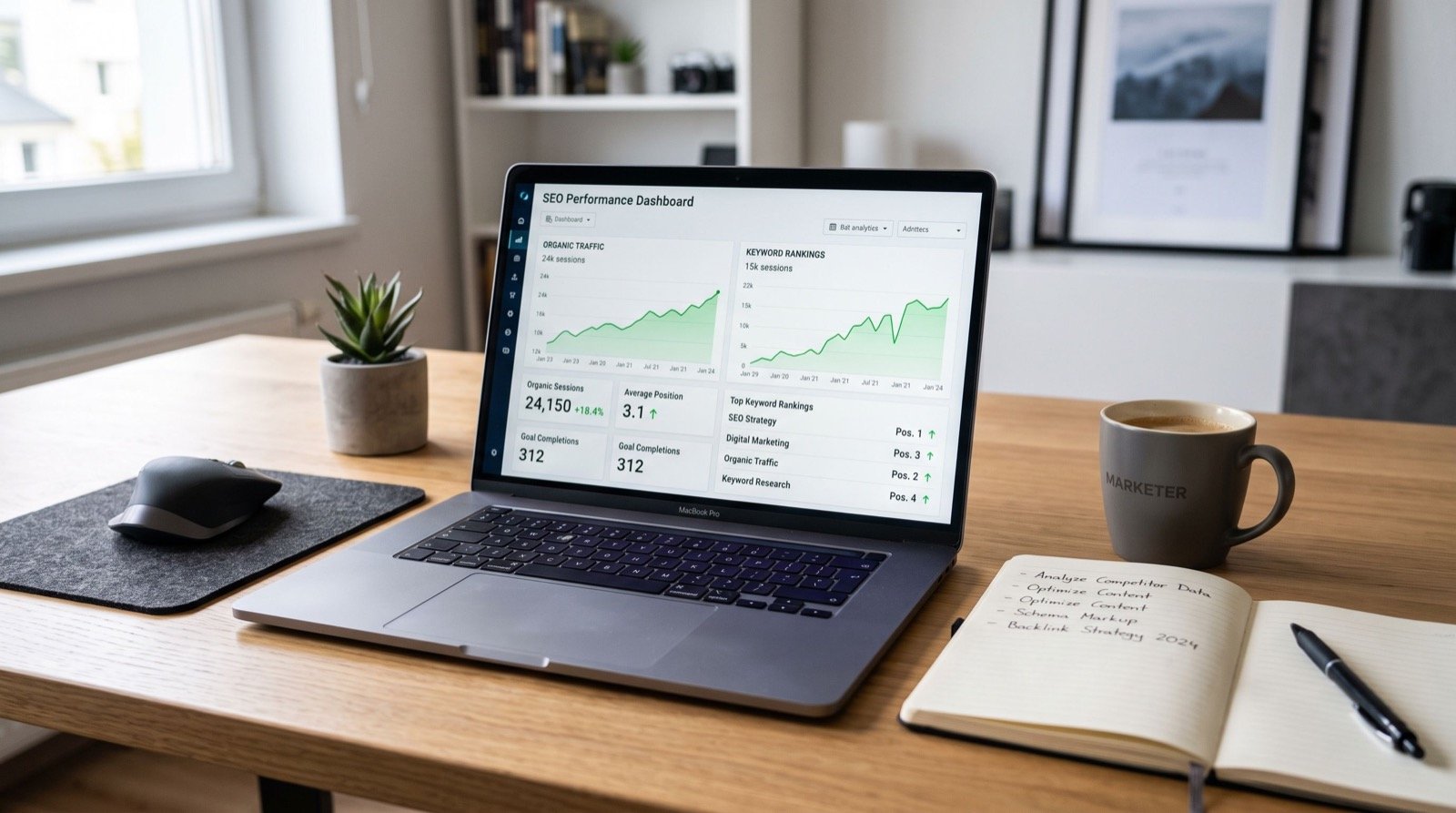
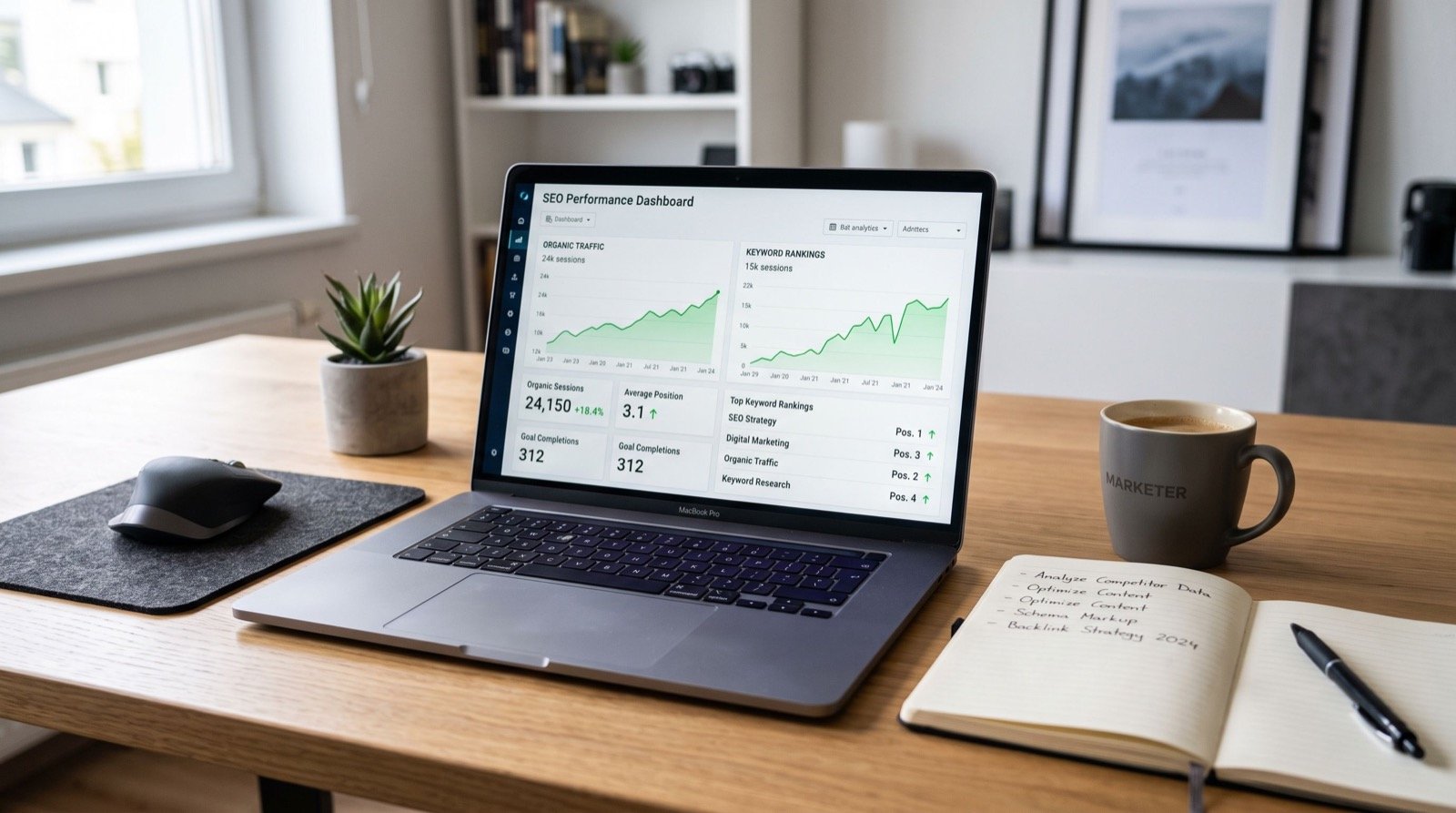
The single biggest reason chains adopt PAR-class systems is the data. When you can see exactly how long each car spends at each stage, you stop guessing and start engineering improvements.
Managers use lane analytics to rebalance staff, adjust kitchen prep timing, and set realistic service-time targets per daypart. Over weeks, small evidence-based tweaks compound into a lane that consistently beats the competition on speed and accuracy.
Turning Data Into Daily Decisions
Analytics only help if the team reviews them. The best operators pin lane dashboards where crews can see them and hold quick shift huddles around the numbers. That habit turns abstract data into concrete, repeatable behavior at the window.
PAR Drive-Thru Compared to Basic Setups
Not all drive-thru investments are equal. The comparison below shows why an integrated PAR-class system outperforms a patchwork of standalone devices.
| Capability | Basic Setup | PAR-Class System |
|---|---|---|
| Lane timing | Manual or none | Automated, per-stage |
| Order accuracy | Verbal only | On-screen confirmation |
| Kitchen routing | Paper tickets | Digital display system |
| Reporting | Limited | Cloud dashboards |
| Multi-site view | None | Central benchmarking |
For chains with several branches, the multi-site benchmarking alone often justifies the upgrade, since it reveals which locations lead and which need coaching.
Where Does Queue Management Fit In?
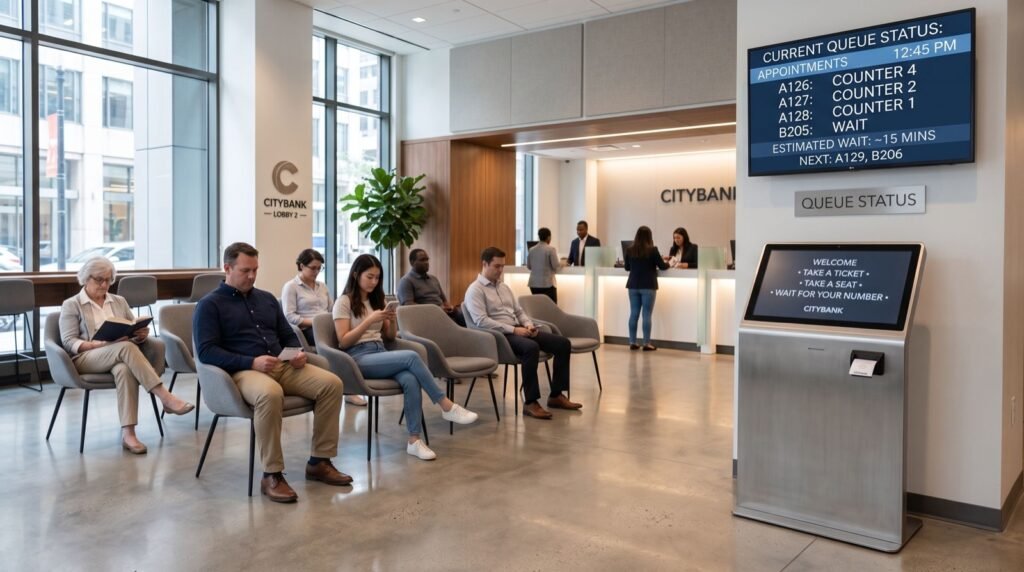
Drive-thru excellence should not live in isolation. Pairing lane analytics with a broader queue management system in lahore or any regional counter-service deployment gives leadership one unified throughput picture across every channel and market.
Customers experience your brand as a whole. A lightning-fast lane paired with a disorganized indoor counter still disappoints, so bringing both under one analytics roof keeps the entire experience consistent and improvable.
A Practical Rollout Plan
Successful deployments follow a disciplined sequence rather than rushing every site live at once.
- Audit the site: Assess lane layout, power, and network readiness.
- Baseline performance: Record current service times before any change.
- Pilot one flagship: Prove the setup at your busiest branch first.
- Train the crew: Make sure staff trust and use the new tools.
- Scale with a template: Repeat the proven blueprint across locations.
Industry data reinforces the priority. The QSR Magazine industry resource regularly reports that drive-thru speed of service and order accuracy rank among operators’ top concerns, which is exactly why analytics-driven PAR systems are gaining ground across the Kingdom in 2026.
Future-Proofing Your Drive-Thru Investment
Technology choices made in 2026 should still serve you in five years. Buying with an eye on the future prevents the painful cycle of ripping out systems that could not keep pace with demand.
Start with open integration. A system that exposes clean APIs can connect to loyalty apps, mobile ordering, and future analytics tools without expensive custom work. Closed, proprietary boxes tend to trap operators and inflate long-term costs.
Cloud-based reporting is the second pillar. As chains grow, the ability to add locations to a central dashboard without new servers keeps expansion smooth. It also means updates and new features arrive without a truck rolling to every site.
Mobile and order-ahead behavior will only grow. Choosing a platform that already supports dedicated pickup flows positions you to capture app-driven demand instead of scrambling to bolt it on later when customers expect it as standard.
A practical tip: ask every vendor how they have evolved their product over the past three years and what is on their roadmap. A partner that ships steady, meaningful improvements is far safer than one selling a frozen feature set at a tempting price. Longevity, not the lowest quote, protects the investment.
Frequently Asked Questions
Is a PAR drive thru in Saudi Arabia suitable for a single location?
Yes. While multi-site chains gain the most from central benchmarking, a single busy location still benefits from precise lane timing, order-confirmation accuracy, and daily analytics that expose bottlenecks.
How does the system handle the Gulf climate?
Quality deployments use weather-rated outdoor displays and enclosures built for heat and dust. Insist on manufacturer durability ratings and a preventive maintenance schedule to protect your investment.
Can lane analytics integrate with our POS and kitchen screens?
They should. Integrated PAR-class systems connect timing, point of sale, and kitchen display systems so orders flow seamlessly and every stage is measured end to end.
How quickly will we see improvement?
Most operators see measurable gains within the first few weeks of a pilot, as visible bottlenecks get addressed and crews adapt to the new confirmation and timing workflow.
Final Thoughts
Adopting a PAR Drive Thru in Saudi Arabia in 2026 is fundamentally about replacing guesswork with data. Precise timers, integrated point of sale, confirmation displays, and cloud analytics combine to deliver faster, more accurate lanes across every branch. Tie that lane intelligence into your broader queue management strategy, and the entire customer journey improves in step. Ready to modernize your drive-thru? Connect with a specialist and book a site audit today.